
[แปลไทยด้านล่าง]
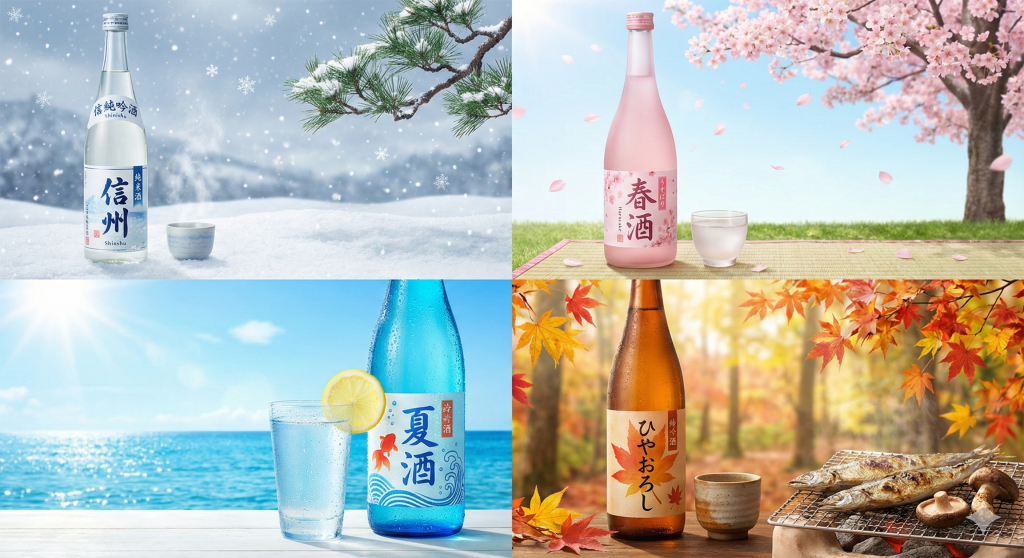
The Rhythm of the Brewery: A Guide to Seasonal Sake
In the world of wine, we often talk about “vintages” how the weather of a specific year affected the grapes. In the world of sake, we talk about seasons.
While modern technology allows breweries to produce sake year-round, the soul of sake brewing is still deeply tied to the agricultural calendar and the changing seasons in Japan. Traditionally, sake brewing is a winter sport, starting after the autumn rice harvest and finishing before the spring warmth arrives.
Because sake matures and evolves over time, the same batch of sake can taste drastically different depending on when you drink it during the year.
Drinking seasonally is a beautiful way to connect with Japanese culture. Here is your guide to navigating the four seasons of sake.
Winter (冬): The Arrival of “Shinshu” (New Sake)
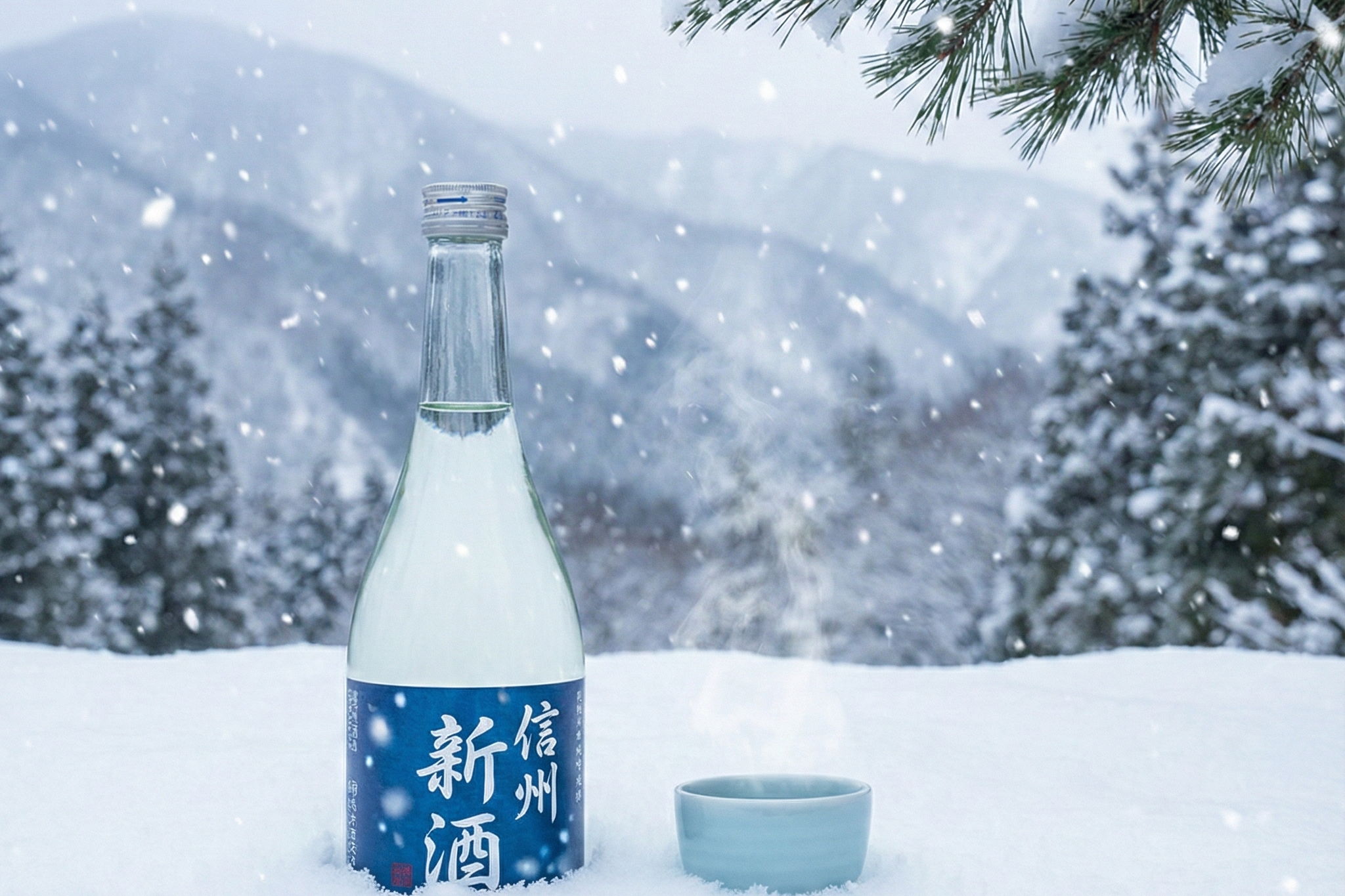
When: December – February Keywords: Fresh, Vibrant, Punchy
Winter is the busiest time in the brewery. The air is cold, the steam is rising from the rice kettles, and the first batches of the year are finally ready.
Sake released now is called Shinshu (新酒), or “New Sake.” Imagine biting into a crisp, just-picked apple. That is the energy of winter sake. It hasn’t had time to mellow out, so it is often characterized by a vibrant, youthful aroma and a lively, sometimes slightly sharp, flavor profile. You might also see Shiboritate (しぼりたて), meaning “just pressed,” which is often unpasteurized and bursting with raw energy.
Spring (春): Blossoms and “Haruzake”
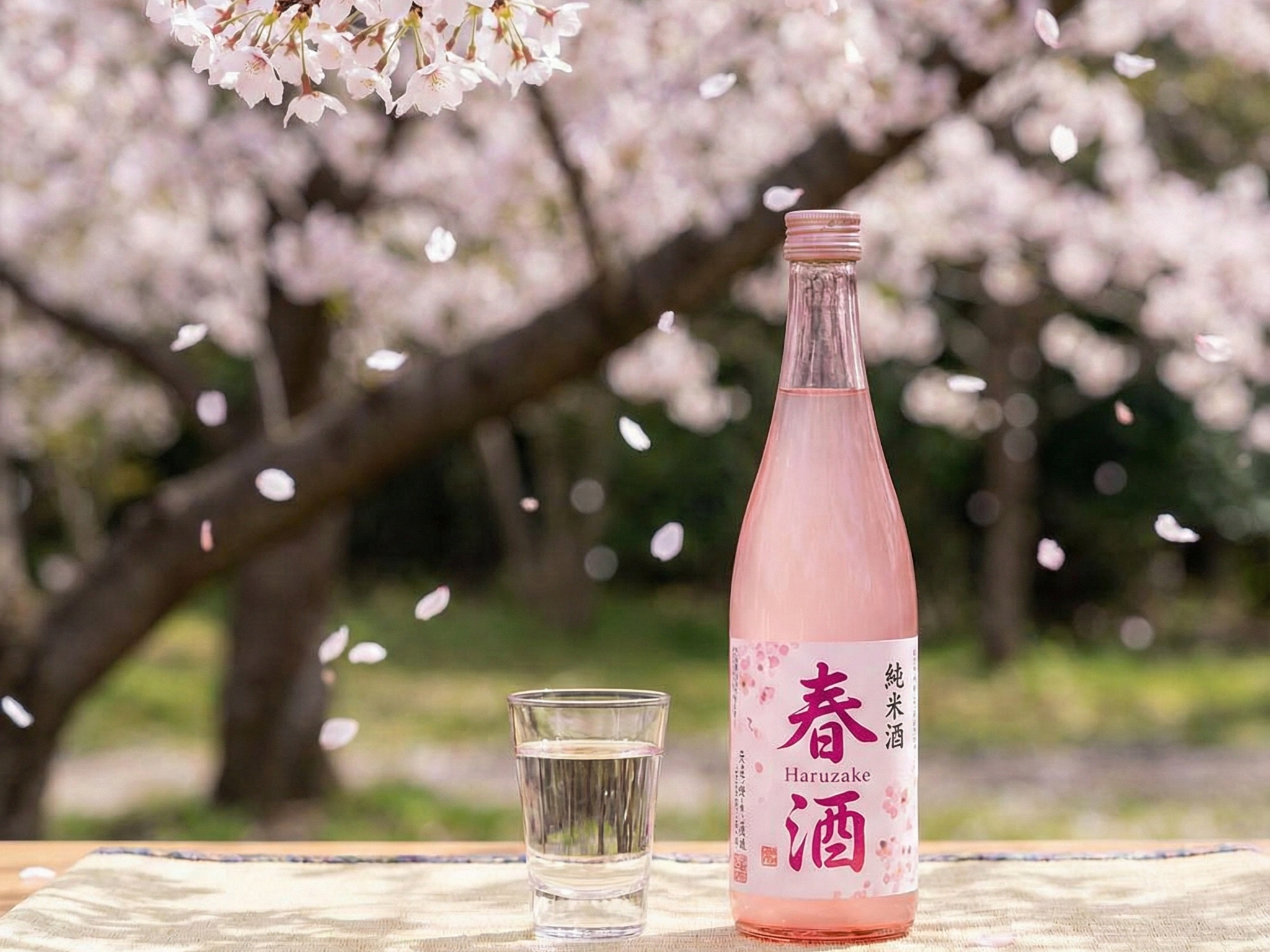
When: March – May Keywords: Floral, Light, Hazy, Celebratory
As the plum and cherry blossoms begin to bloom, sake breweries release bottles designed for celebration. Spring sake, or Haruzake (春酒), is crafted to match the mood of Hanami (flower viewing picnics).
These sakes are often lighter in body with elegant, floral aromas. You will frequently see beautiful pink or pastel labels during this season. A popular style in spring is Usunigori (薄濁り)—a slightly cloudy sake that looks like cherry blossom petals floating in a mist. It has a whisper of sweetness and a soft texture perfect for mild spring weather.
Summer (夏): Crisp Refreshment with “Natsuzake”
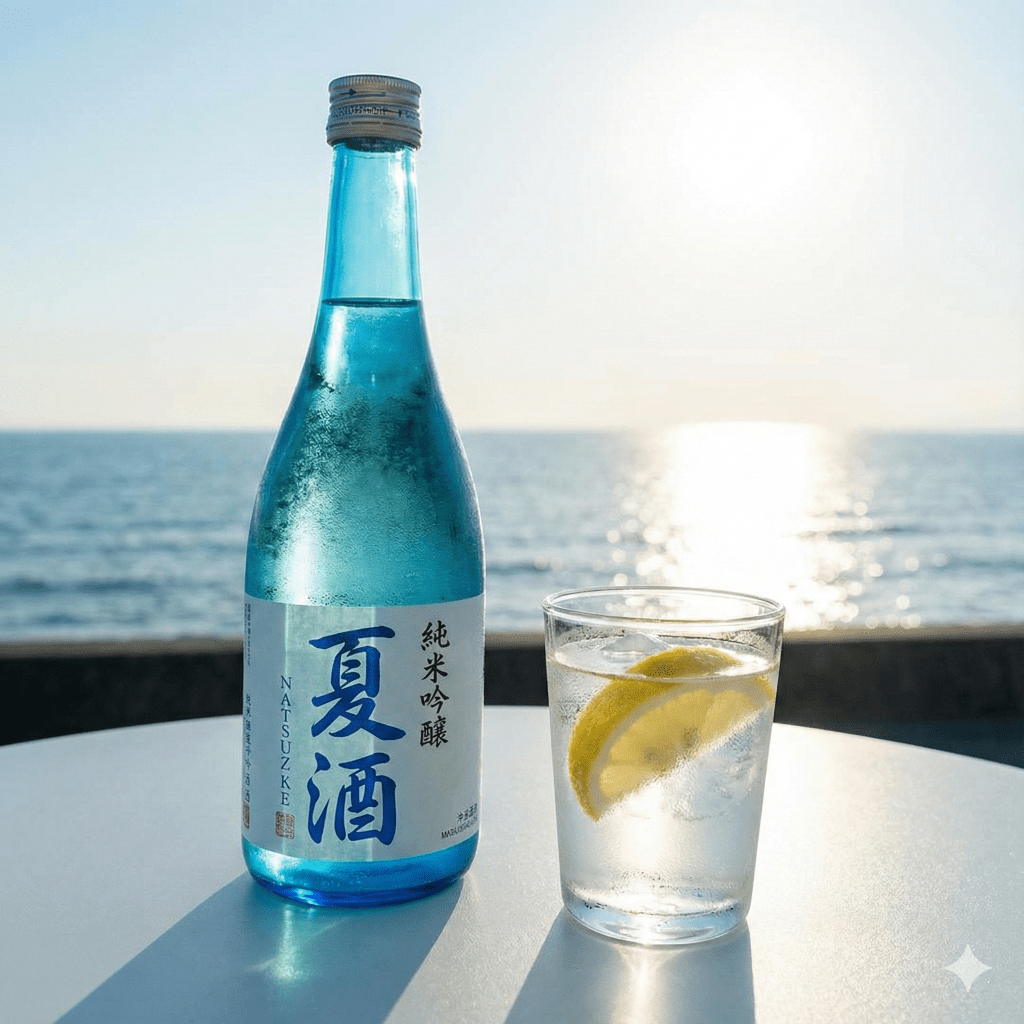
When: June – August Keywords: Crisp, Dry, High Acidity, Chilled
Japanese summers are hot and humid, much like here in Thailand. The last thing you want is a heavy, syrupy drink.
Breweries respond with Natsuzake (夏酒), or Summer Sake. These are designed specifically to cut through the heat. They are often brewed to be crisper, drier, and have a slightly higher acidity than usual, making them incredibly refreshing when served ice cold. You will often spot them in distinct blue or clear glass bottles that look frosty and inviting.
Autumn (秋): The Golden Hour of “Hiyaoroshi”
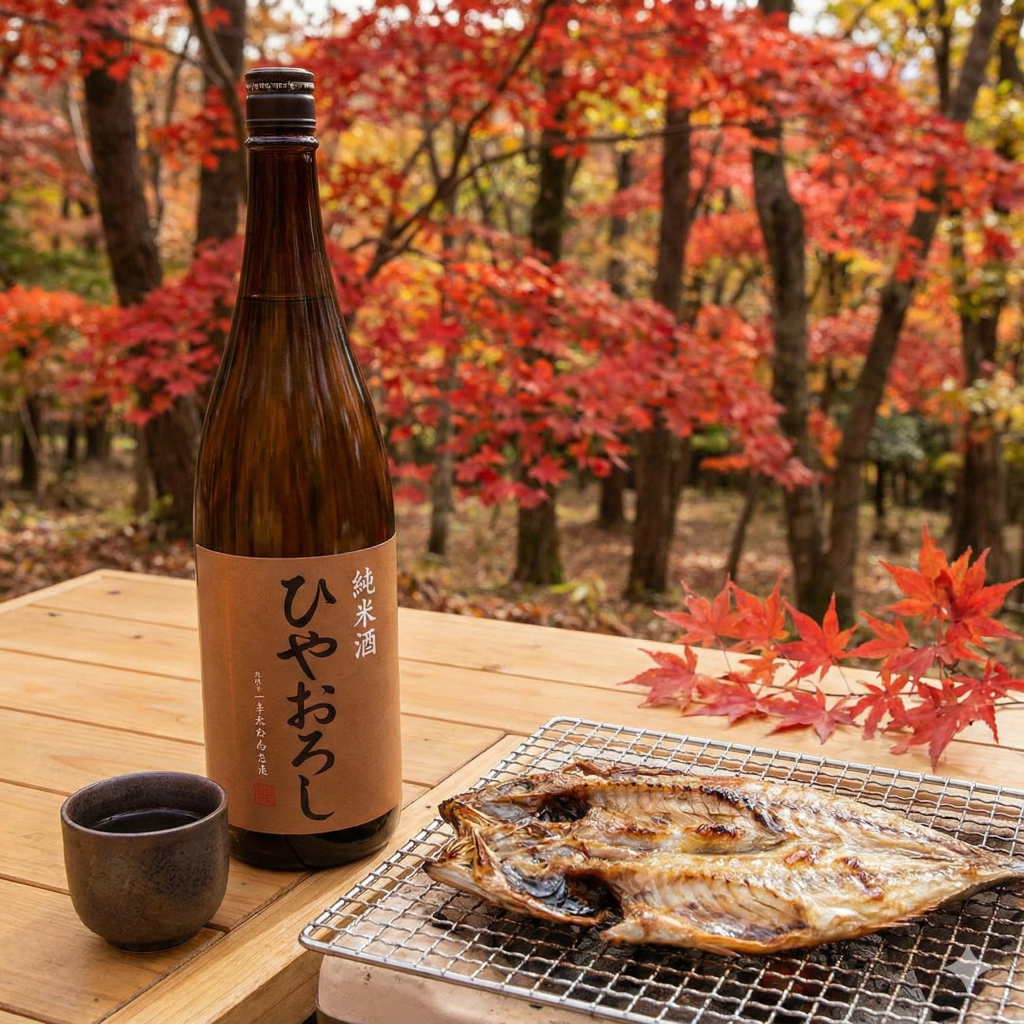
When: September – November Keywords: Mellow, Rich, Savory, Umami
For many sake connoisseurs, autumn is the most anticipated season of all.
Remember that fresh, punchy sake brewed back in the winter? Breweries take some of that sake and let it rest quietly in cool storage tanks throughout the spring and summer. During this six-month sleep, the sake grows up. The rough edges smooth out, the texture becomes rounder, and deep, savory umami flavors develop.
This matured sake is released in autumn and is known as Hiyaoroshi (ひやおろし) or Akiagari (秋あがり).
Hiyaoroshi is the ultimate food-pairing sake. Its rich depth stands up beautifully to hearty autumn ingredients like grilled fish, mushrooms, and roasted meats. It is the taste of the harvest season.
Drink in Sync with Nature
The next time you are choosing a bottle, take a look at the calendar. Are you in the mood for the youthful energy of winter, or the sophisticated depth of autumn?
Choosing sake based on the season adds another layer of enjoyment to the experience. It connects the glass in your hand to the rhythm of nature and the hard work of the brewers throughout the year.
จังหวะของฤดูกาล: คู่มือการดื่มสาเกตามซีซั่น
ในโลกของไวน์ เรามักจะพูดถึง “Vintage” หรือปีที่ผลิต ว่าสภาพอากาศในปีนั้นๆ ส่งผลต่อองุ่นอย่างไร แต่ในโลกของสาเก เราจะพูดถึง “ฤดูกาล” (Seasons)
แม้ว่าเทคโนโลยีสมัยใหม่จะช่วยให้โรงหมักสามารถผลิตสาเกได้ตลอดทั้งปี แต่จิตวิญญาณของการทำสาเกนั้นยังคงผูกพันอย่างลึกซึ้งกับปฏิทินการเกษตรและการเปลี่ยนผ่านของฤดูกาลในญี่ปุ่น ตามธรรมเนียมแล้ว การหมักสาเกเปรียบเสมือน “กีฬาฤดูหนาว” ที่จะเริ่มขึ้นหลังจากการเก็บเกี่ยวข้าวในฤดูใบไม้ร่วง และสิ้นสุดลงก่อนที่ความอบอุ่นของฤดูใบไม้ผลิจะมาถึง
และเนื่องจากสาเกจะมีการบ่มและพัฒนาตัวเองอยู่ตลอดเวลา สาเกที่หมักในถังเดียวกันจึงอาจมีรสชาติที่แตกต่างกันอย่างสิ้นเชิง ขึ้นอยู่กับว่าคุณดื่มมันในช่วงเวลาไหนของปี
การดื่มสาเกตามฤดูกาลถือเป็นวิธีที่งดงามในการเชื่อมโยงกับวัฒนธรรมญี่ปุ่น วันนี้จะพาไปทำความรู้จักกับ 4 ฤดูกาลของสาเกกัน
ฤดูหนาว (Winter – 冬): การมาถึงของ “ชินชุ” (สาเกใหม่)
ช่วงเวลา: ธันวาคม – กุมภาพันธ์ คำนิยาม: สดชื่น (Fresh), มีชีวิตชีวา (Vibrant), มีพลัง (Punchy)
ฤดูหนาวคือช่วงเวลาที่ยุ่งที่สุดในโรงหมัก อากาศที่หนาวเย็น ไอระเหยจากการนึ่งข้าวพวยพุ่ง และในที่สุด สาเกล็อตแรกของปีก็พร้อมเสิร์ฟ
สาเกที่ปล่อยออกมาในช่วงนี้เรียกว่า ชินชุ (Shinshu – 新酒) หรือ “สาเกใหม่” ให้นึกภาพตอนกัดแอปเปิ้ลสดๆ ที่เพิ่งเด็ดจากต้น นั่นคือพลังงานของสาเกฤดูหนาว มันยังไม่มีเวลาได้บ่มให้กลมกล่อม จึงมักมีคาแรคเตอร์ของกลิ่นหอมที่สดใสแบบวัยรุ่น และมีรสชาติที่กระฉับกระเฉง บางครั้งอาจมีความคมชัดบาดลิ้นเล็กน้อย คุณอาจจะเจอคำว่า ชิโบริทาเตะ (Shiboritate – しぼりたて) ซึ่งแปลว่า “เพิ่งคั้นสดๆ” ซึ่งมักจะเป็นสาเกที่ไม่ผ่านการพาสเจอร์ไรซ์ และเต็มไปด้วยพลังงานดิบๆ
ฤดูใบไม้ผลิ (Spring – 春): ดอกไม้บานและ “ฮารุซาเกะ”
ช่วงเวลา: มีนาคม – พฤษภาคม คำนิยาม: ดอกไม้ (Floral), บางเบา (Light), ขุ่นเล็กน้อย (Hazy), การเฉลิมฉลอง
เมื่อดอกบ๊วยและซากุระเริ่มบาน โรงงานสาเกก็จะปล่อยขวดที่ออกแบบมาเพื่อการเฉลิมฉลองโดยเฉพาะ สาเกฤดูใบไม้ผลิ หรือ ฮารุซาเกะ (Haruzake – 春酒) ถูกรังสรรค์มาให้เข้ากับบรรยากาศของการชมดอกไม้ (Hanami)
สาเกเหล่านี้มักจะมีบอดี้ที่เบาบางกว่า พร้อมกลิ่นหอมของดอกไม้ที่สง่างาม คุณจะเห็นฉลากขวดสีชมพูหรือสีพาสเทลสวยงามได้บ่อยในช่วงนี้ สไตล์ที่นิยมมากในฤดูใบไม้ผลิคือ อุสุนิโกริ (Usunigori – 薄濁り) หรือสาเกที่ขุ่นเล็กน้อย เปรียบเสมือนกลีบซากุระที่ลอยอยู่ในสายหมอก มักมีความหวานปลายๆ และรสสัมผัสที่นุ่มนวล เหมาะกับอากาศสบายๆ ของฤดูใบไม้ผลิ
ฤดูร้อน (Summer – 夏): ความสดชื่นของ “นัตสึซาเกะ”
ช่วงเวลา: มิถุนายน – สิงหาคม คำนิยาม: กรอบ (Crisp), แห้ง (Dry), ความเป็นกรดสูง (High Acidity), แช่เย็นจัด
ฤดูร้อนของญี่ปุ่นนั้นร้อนและชื้นไม่ต่างจากเมืองไทยเลยค่ะ สิ่งสุดท้ายที่คุณต้องการคือเครื่องดื่มที่หนักและหวานเลี่ยน
โรงงานสาเกจึงตอบโจทย์ด้วย นัตสึซาเกะ (Natsuzake – 夏酒) หรือสาเกฤดูร้อน ซึ่งออกแบบมาเพื่อตัดความร้อนโดยเฉพาะ มักถูกหมักให้มีความกรอบ แห้ง (Dry) และมีความเป็นกรด (Acidity) สูงกว่าปกติเล็กน้อย ทำให้รู้สึกสดชื่นอย่างไม่น่าเชื่อเมื่อเสิร์ฟแบบเย็นจัด มักมาในขวดแก้วสีฟ้าหรือสีใสที่ดูแล้วรู้สึกเย็นสบายตา
- Natwara’s Tip: ฤดูร้อนเป็นช่วงเวลาที่ดีในการลองสาเกแบบ นามา (Nama – 生) หรือสาเกสดที่ไม่ผ่านการพาสเจอร์ไรซ์ ซึ่งมีความซาบซ่าสดชื่น เหมาะกับวันอากาศร้อนๆ
ฤดูใบไม้ร่วง (Autumn – 秋): ช่วงเวลาทองของ “ฮิยาโอโรชิ”
ช่วงเวลา: กันยายน – พฤศจิกายน คำนิยาม: กลมกล่อม (Mellow), เข้มข้น (Rich), รสชาติที่ลึกซึ้ง, อูมามิ (Umami)
สำหรับคอสาเกหลายคน ฤดูใบไม้ร่วงคือฤดูกาลที่รอคอยมากที่สุด
จำสาเกสดใหม่ที่มีพลังล้นเหลือที่หมักเมื่อฤดูหนาวที่แล้วได้ไหม? โรงงานจะนำสาเกเหล่านั้นไปพักไว้ในถังเก็บที่เย็นสบายตลอดช่วงฤดูใบไม้ผลิและฤดูร้อน ในช่วงเวลา 6 เดือนที่หลับใหลนี้ สาเกจะค่อยๆ เติบโตขึ้น ความคมและเหลี่ยมมุมต่างๆ จะถูกขัดเกลาให้เนียนนุ่มขึ้น รสสัมผัสจะกลมกล่อมขึ้น และพัฒนารสชาติที่ลึกซึ้ง เข้มข้น และมีรสอูมามิที่โดดเด่น
สาเกที่บ่มได้ที่นี้จะถูกปล่อยออกมาในฤดูใบไม้ร่วง และรู้จักกันในชื่อ ฮิยาโอโรชิ (Hiyaoroshi – ひやおろし) หรือ อากิอางาริ (Akiagari – 秋あがり)
ฮิยาโอโรชิ คือสุดยอดสาเกแห่งการจับคู่กับอาหาร (Food pairing) ความเข้มข้นและลึกซึ้งของมันสามารถเข้ากันได้ดีเยี่ยมกับวัตถุดิบในฤดูใบไม้ร่วง เช่น ปลาย่าง เห็ด และเนื้อย่าง มันคือรสชาติแห่งฤดูกาลเก็บเกี่ยวอย่างแท้จริง
ดื่มให้สอดคล้องกับธรรมชาติ
ครั้งต่อไปที่คุณจะเลือกสาเกสักขวด ลองดูปฏิทินสักนิด ว่าตอนนี้คุณอยู่ในอารมณ์ที่ต้องการพลังงานความสดใหม่ของฤดูหนาว หรือความลึกซึ้งที่ผ่านการบ่มเพาะของฤดูใบไม้ร่วง?
การเลือกดื่มสาเกตามฤดูกาลจะช่วยเพิ่มอรรถรสให้กับประสบการณ์ของคุณ มันคือการเชื่อมโยงแก้วในมือของคุณเข้ากับจังหวะของธรรมชาติ และความทุ่มเทของเหล่าผู้ผลิตสาเกตลอดทั้งปี
 SAKE SERIES